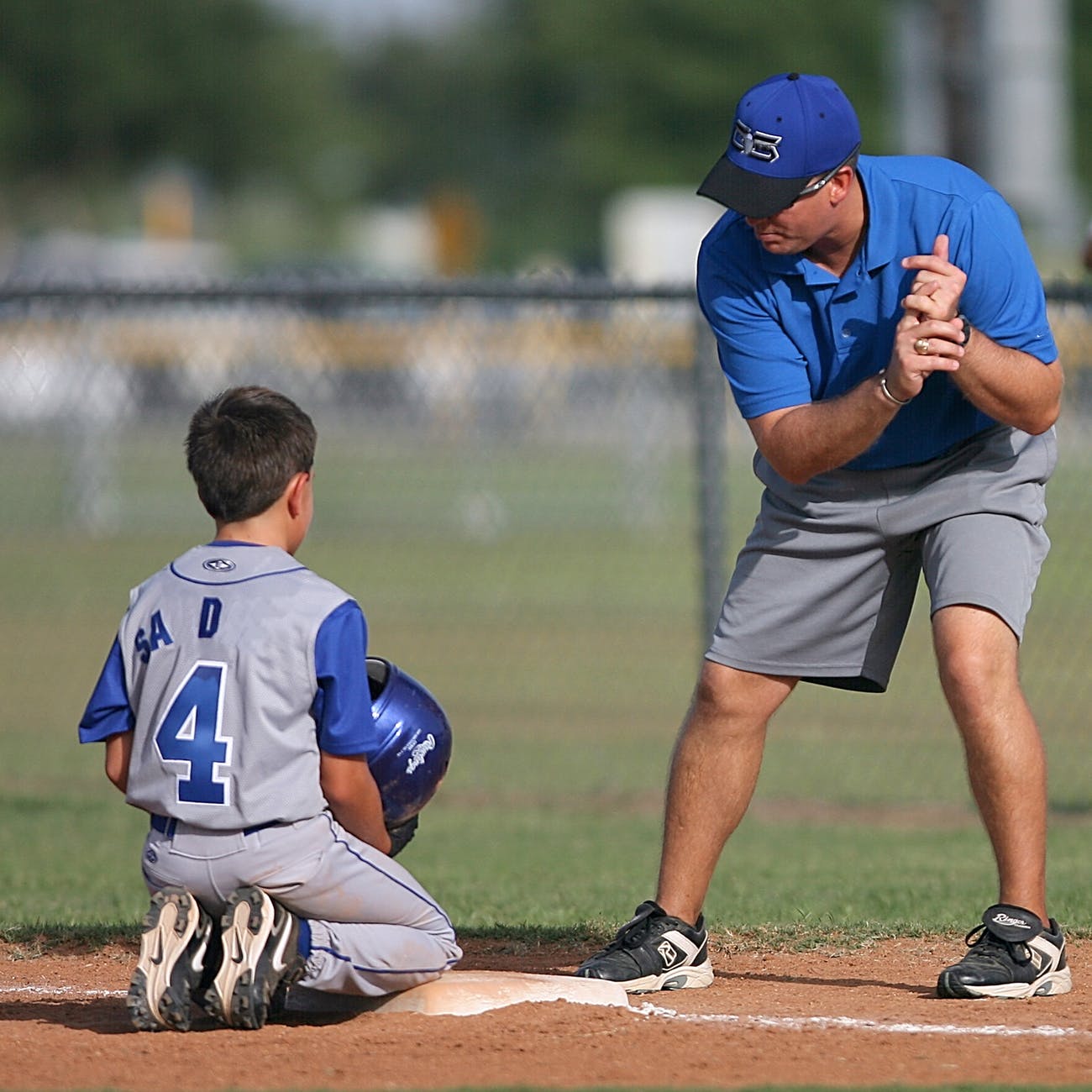
In my previous posts, I did a quick run through of what sport-based youth development means. Even quicker: It is basically using sport to promote positive youth development. Now, that means that you need to make sure the environment is set up to maximize positive development. The writers, Eccles and Gootman, identified eight essential features of positive developmental settings. Here they are:
- Physical safety: Hopefully, it goes without saying that any setting you bring young people into should be free of potential health hazards and unsafe conditions. Make sure everything is inspected and brought up to code. But more importantly keep them free from violence. That includes any direct experiences and anything they might witness.
- Clear and consistent structure and appropriate adult supervision: Young people should know what to expect when they come in. That does not mean there should be no surprises, but the surprise shouldn’t be “Surprise! We changed the rules, and now we are going to punish you for that thing that was totally okay last week.” Makes sure that rules are clear, and discipline is consistent. And as you create the rules and structure for the program, allow older youth a say in developing them with you. This will also provide them a chance to develop autonomy and let you make sure you are listening to their needs
- Supportive relationships- Okay, what is a supportive relationship? It is warm, with a strong connection between the two parties, and with healthy communication. And on top of that, you provide support. This would be emotional support (i.e. how are you really doing and what can I do for you to help you feel better?) and instrumental (i.e. what do you need and what things can I provide for you?) Ultimately though, it is up to the young person to decide whether the relationship is supportive; so be sure to ask them what they want and need and whether they feel supported or not.
- Opportunities to belong: Make sure your program is inclusive for multiple identities. I’m not just talking about race, gender, and sexuality. Think more about how you can incorporate cooperative activities that help everyone get involved in play and work towards a shared goal.
- Positive social norms: All the little things people do when they are together and every time they interact help to build the norms. These norms, or ways of doing things, may be different from what you may have posted officially. So, be mindful that how you all treat each other reflects your desired program culture.
- Support for efficacy and mattering: Help kids in your program know that they matter and that they are capable. Encourage them to connect with others and help them notice how they are growing and learning.
- Opportunities for skill building: As a result of being a part of your program, young people should be gaining new skills and knowledge. You can help by providing meaningful challenges and lessons that are relevant to them personally and culturally to increase engagement. What are you teaching and how does it connect with the youth in your program?
- Integration of family, school, and community efforts: Make sure that you communicate across all of their contexts. You should try and reach out to ensure that there is consistency in expectations for behaviors. How can you connect what you expect with what they might experience at home, at school, and elsewhere in the community?
Well, those are the 8 essential elements. What do you think of these? How well have you been able to incorporate them into your programs?
Source: Eccles, J. & Gootman, J. A. (Eds. ) (2002). Community programs to promote youth development. National Academy Press: Washington, DC.
Here are some other posts you might like:
 The Sideline Fix
Leave a comment